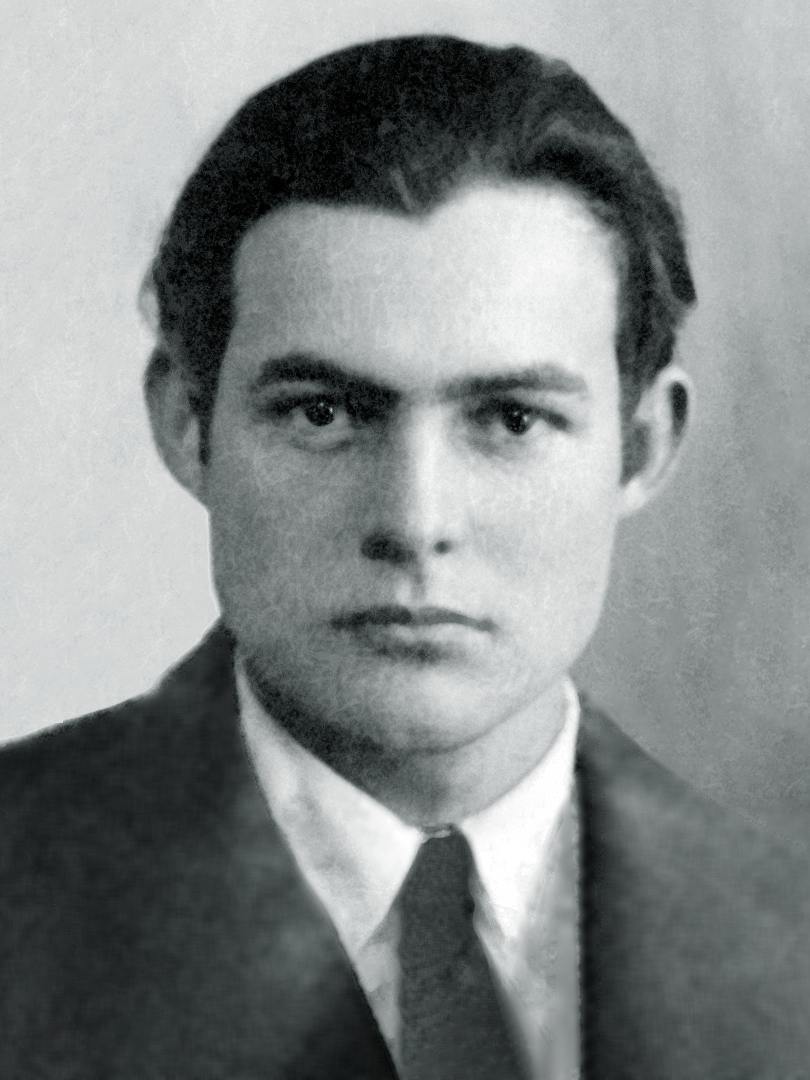
"If you develop the absolute sense of certainty that powerful beliefs provide, then you can get yourself to accomplish virtually anything, including things that other people are certain are impossible." (William Lyon Phelps)
Yale University's William Lyon Phelps taught the first course about the modern novel. He penned many books including the Advance of the English Novel. Professor Phelps was also blessed with the gift of oratory. In April of 1933, a month before the famous Berlin Book Burnings, he delivered this address, titled "The Pleasure of Books".
Here is an excerpt from his speech:
"Books are for use, not for show; you should own no book that you are not afraid to mark up, or are afraid to place on the table, wide open and face down. A good reason for marking favourite passages in books is that this practice enables you to remember more easily the significant sayings, to refer to them quickly, and then in later years, it is like visiting a forest where you once blazed a trail.
Everyone should begin collecting a private library in youth; the instinct of private property, which is fundamental in human beings, can here be cultivated with every advantage and no evils. One should have one's own bookshelves...The knowledge that they are all there in plain view is both stimulating and refreshing. You do not have to read them all. Most of my indoor life is spent in a room containing six thousand books. And I have a stock answer to the invariable question that comes from strangers: 'Have you read all of these books?' 'Some of them twice.' This reply is both true and unexpected.
Books are of the people, for the people, by the people. Literature is the immortal part of history; it is the best and most enduring part of personality. In a private library, you can at any moment converse with Socrates or Shakespeare or Carlyle or Dumas or Dickens or Shaw or Barrie or Galsworthy. And therre is no doubt in these books you see these men at their best. They laid themselves out; they did their ultimate best to entertain you, to make a favourable impression. You are necessary to them as an audience is to an actor, only instead of seeing them masked, you look into their innermost heart of heart." (http://www.historyplace.com/speeches/phelps.htm)