Showing posts with label story. Show all posts

Monday, 13 April 2015

Plot: The Most Essential Ingredient of a Story


Plot is the most essential ingredient of a story according to Writer's Digest.  A successful story is one that gives the reader the feeling:  "I've got to know what happens next." (http://www.writersdigest.com/writing-articles/by-writing-genre/young-adult-childrens/crafting_an_effective_plot_for_childrens_books)

In a picture book, usually 32 pages, the writer has about 25 pages of plot to work with.  Something different should happen in each picture.  For example, the reader should see:

-a change of scene
-a change of expression
-a closeup
-a panorama
-a change of viewpoint
-a change of mood
-a surprise
-meanwhile (what's happening elsewhere)

Writer's Digest states that logic and cause & effect are the two most important components of plot. The plot should illustrate the theme of the book.  A picture book, with limited words, should take place in one time frame.  The movement should be linear.  Begin the story where it starts to become interesting.  Eliminate the preliminaries.  Here are examples of how to start your story:

-the main character makes a decision
-dramatic dialogue
-the day begins
-the main character's present situation
-the main character's typical response to a specific situation
-the start of a journey
-the main character sends/receives an important message

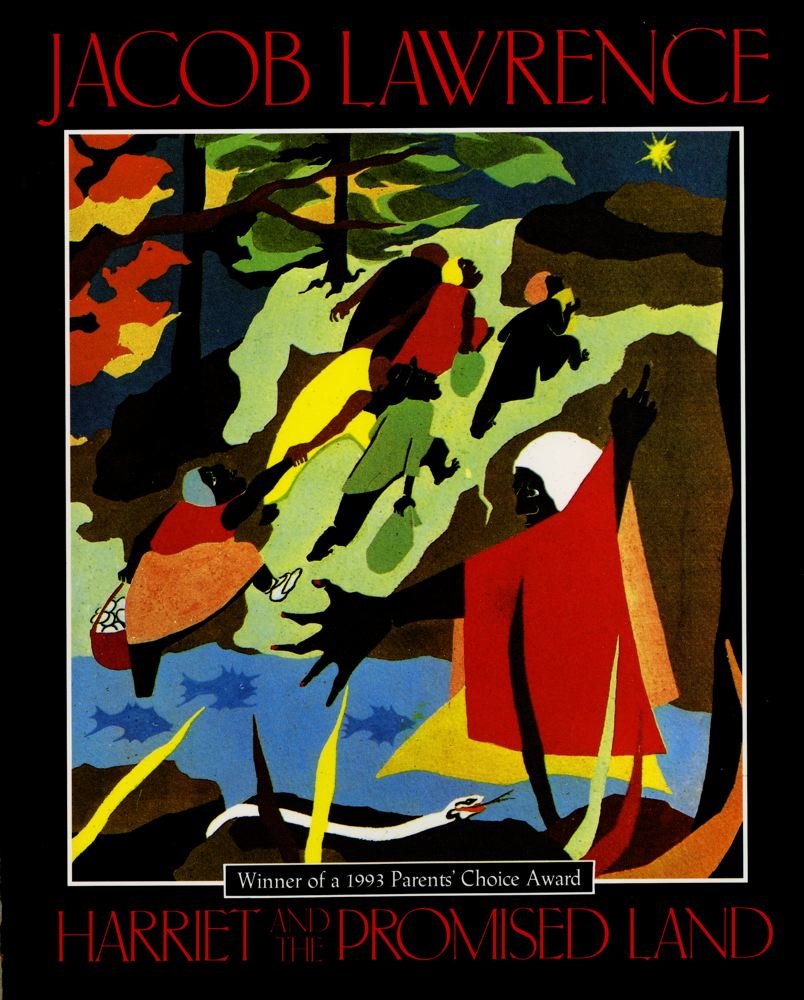
What drives plot?  According to Writer's Digest, "strong consistent characters drive the action forward".  For example, Harriet and the Promised Land demonstrates powerful characters.  To learn about more picture books with strong character development, visit http://www.readwritethink.org/files/resources/lesson_images/lesson803/803BookList.pdf.


a


A chapter book with a strong main character is Amelia Bedelia, which focusses on a girl who takes everything literally.  When someone asks her to "draw the curtains" she gets out a pencil and paper and draws the curtains.


Cover

Amelia Bedelia, which debuted in 1963, is a series consisting of dozens of titles, the latest of which appeared in 2014 at http://en.wikipedia.org/wiki/Amelia_Bedelia.


As I stated in yesterday's post, you need to make your reader care about your characters.  The reader is interested in the story because he knows the protagonist, he knows his plight, he knows the choices he has made and he's curious about how he will proceed.  For example, the main character Jo in the novel Little Woman is a passionate one.  Her father writes from the Civil War front stating that he's suffering from an illness.  Jo immediately sells her hair to raise money for her father's care.  Jo's feelings drive the book's plot.


Illustration of Jo's father coming home from the Civil War courtesy 


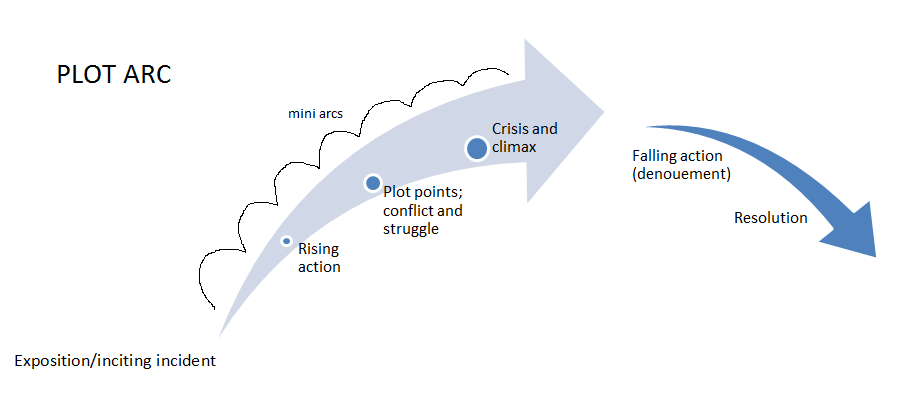
When writing your picture or chapter book, don't forget to follow the story arc or narrative arc which refers to the chronological construction of the plot.  "It is the rising and falling of the tension, and the pacing and timbre of the plot." (https://fcmalby.wordpress.com/2014/05/14/narrative-arc-shaping-your-story/)

While every story contains a beginning, a middle and an ending, don't forget it also must contain a crisis, a struggle and a discovery.  There must be "a transformation in the life of the main character". Otherwise, it is only a report, not a story. (http://www.writersdigest.com/online-editor/the-5-essential-story-ingredients)


Friday, 6 March 2015

How to Write a Feature Newspaper Article

Feature articles are windows into the human experience, giving more detail and description than a hard news story, which typically relies on the "inverted pyramid" style of writing.  Features focus on an event or an individual, giving the reader a chance to more fully understand some interesting dimension of the world.  (http://www.wikihow.com/Write-a-Feature-Article)


The purpose of a feature article is to inform, entertain and persuade the reader.  Feature articles are composed of five different components.  They are:

Headline

Compose a catchy, to the point headline which attracts the reader's attention.  Remember, if the headline is boring, chances are the reader won't want to read any further.  For more information about catchy headlines, read http://alinefromlinda.blogspot.ca/2015/02/ten-tips-to-writing-irresistibly.html.

Byline

Insert the writer's name here.

Lede/Lead

This is the preview of the story.  It helps the reader decide whether or not to read the article.  Try to insert a hook here to draw the reader in.  The lede sets the writer's tone and establishes a relationship between the writer and the reader.

Story

This is where the writer includes relevant facts from his or her research.  Quotes from interviews and experts should be inserted here.  Anecdotes and stories are also valuable, helping to maintain the reader's interest.  Names, dates and places should be identified here.  Any supporting information should follow including photos, tables, diagrams and graphs.

Conclusion

The purpose of the conclusion is to leave a lasting impression.  Remind the reader of the main idea. Suggest a course of action.  Encourage a change of opinion.  Bring the article full circle by referring back to the introduction.  

Tips

Here are some suggested tips to follow when preparing, researching and writing your feature.

1.  use tight writing; features can be as short as 500 words, but some are as long as 1500 or 2000 

2.  show, don't tell

3.  use strong verbs and nouns; use adjectives sparingly

4.  use identifiable, reliable sources; if sources are weak, it's better not to use them

5.  write about a well defined topic

6.  avoid the passive voice; use the active voice whenever possible

7.  vary sentence length

8.  use an informal tone or the first person to make it more personal

9.  facts validate the writer's view

10.  exaggeration helps a humorous article

11.  use rhetorical questions to draw the reader in

12.  sprinkle the article with imagery to engage the reader's imagination

13.  include direct quotes to personalize the topic

14.  don't forget to proofread; consult The Elements of Style by Strunk & White at www.columbia.edu/acis/bartleby/strunk