Showing posts with label hippocampus. Show all posts

Monday, 23 January 2017

Curiosity Won't Kill You But It Will Make You Smarter


"I could not, at any age, be content to take my place by the fireside and simply look on.  Life was meant to be lived.  Curiosity must be kept alive.  One must never, for whatever reason, turn his back on life." (Eleanor Roosevelt)


Dr. Matthew Gruber conducted a University of California in which he posed a series of trivia questions to his test cases.  Each question was followed by a 14 second delay and then he showed the test cases a neutral, unrelated picture of a face.  Later he gave each test case a recognition test of the trivia as well as the faces.  During the study, the test cases' brains were scanned.  The results revealed that:

1.  For those test cases who were highly curious, they retained more trivia and showed more face recognition.

2.  When their curiosity was stimulated, their brain circuits showed increased activity related to the reward area of the brain. The study showed that intrinsic motivation recruits the same areas of the brain as extrinsic motivation.

3.  Curiosity motivated learning increased activity in the hippocampus, the small part of the brain that looks like a seahorse (the French word is "hippocampe").  The interaction between the brain's rewards system and the hippocampus puts the brain in an alert state.

Dr. Gruber concluded:  "Curiosity may put the brain in a state that allows it to learn and retain any kind of information like a vortex that sucks in what you are motivated to learn and also everything around it." (http://theantimedia.org/curiosity-fix-enhancing-memory-intellect/)

A healthy curiosity sets the stage for lifelong learning and learning can bring us closer to our goals. Eleanor Roosevelt was a champion of learning.  While many First Ladies were content to sit back and let their husbands take centre stage, Eleanor Roosevelt was heavily involved in political life.  She held her own press conferences.  A champion of literacy, for almost three decades she contributed to a daily (except Sundays) newspaper column called "My Day" on weighty issues like Prohibition, World War II and race relations.  She worked tirelessly for various charities.  Eleanor explained: 

"I could not, at any age, be content to take my place by the fireside and simply look on.  Life was meant to be lived.  Curiosity must be kept alive.  One must never, for whatever reason, turn his back on life." (http://www.ineedmotivation.com/blog/2008/04/22-great-quotes-on-curiosity/)

One of Eleanor Roosevelt's goals was to draft a Charter on Human Rights, a goal which she met in 1948 when she served as the United States Delegate to the United Nations.

Note:  Read "Ten Ways to Foster A Culture of Creativity in Your Learning Organization" at http://etale.org/main/2015/06/22/10-ways-to-foster-a-culture-of-curiosity-in-your-learning-organization/.






Thursday, 12 February 2015

It's All About the Images

"Articles that have relevant and compelling pictures get 94% more views than those that do not." (MDG Advertising infographic)


When I started my blog almost four years ago, I immediately started posting pictures.  Our minds remember images much more readily than words.  Every one of my posts is accompanied by at least one image.  I am not capable of drawing, so I have always found photos, pictures and cartoons on the Internet, copied and pasted them, and then credited the source.  I figure it's a good way to catch the reader's attention.  To read more about how the brain remembers, visit http://www.mindtools.com/memory.html. 


The hippocampus (which is shaped like a seahorse) serves to store our memories courtesy cbucommons.ca.


According to one blogger, pictures play a big role in how readers perceive you.  Furthermore, if you don't display your content well, you will lose readers.  Your pictures (style, layout) should go hand in hand with your brand (to be discussed in a later post).  They may say something clever or hidden about your topic.  Pictures should enhance your topic, rather than distract from it.  They may encourage conversation about your topic.  They often inspire readers to share your post.  For more information on the importance of picture choices, visit http://www.blogtyrant.com/blog-images/.


Dramatic Photography for Content

For eye-catching photos, visit www.1stwebdesigner.com.


Beware of a shot that is too abstract; it will ultimately say nothing to the reader.  Make sure the images are not too small.  Choose pictures that go hand in hand with your topic.  Choose images which are relevant not only to you, but to the reader. For instance, I could post a picture of Jumbo the Elephant when referring to my Boston trip.  That's because Tufts University, which has Jumbo as its mascot, is located in Boston.  However, most readers wouldn't know that.  On the other hand, if I post a photo of the Boston Public Gardens, everyone should relate to it.  Read more about images here:


Image courtesy blog.blogadda.com.


You have options as to where you find your pictures.  You can buy images from Dreamstime.  You can use the Photodropper Wordpress Plugin.  You can access free photos from Wikimedia Commons or Creative Commons or Stock XChng.  You may also use photos in the public domain.  For photo editing, check out Gimp.  Don't forget to keep all of your images the same size for consistency.  Here is a site with some tips about adding photos to your blog:  http://www.wikihow.com/Add-Pictures-in-Blogspot.


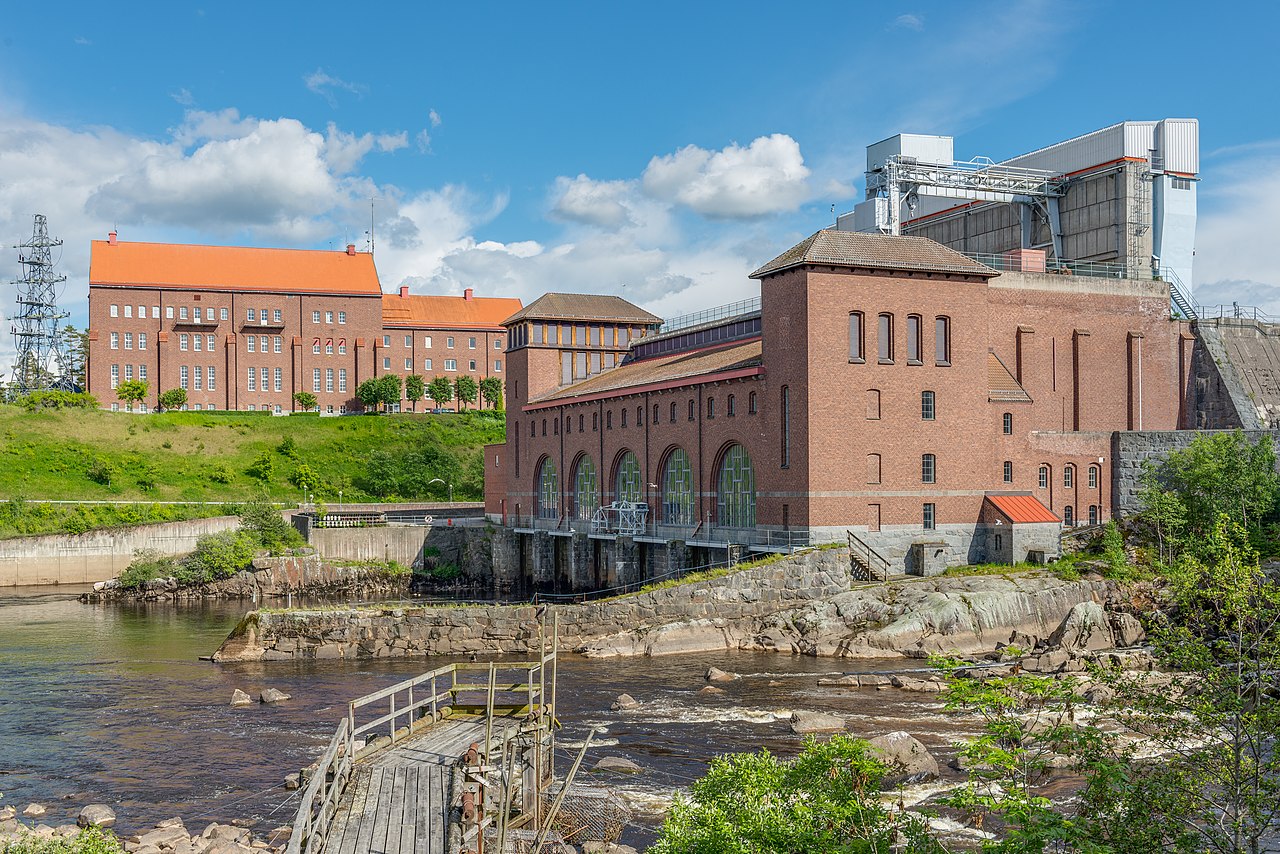
Älvkarleby June 2013 (2).jpg

Photo of the Day at commons.wikimedia.org.  


Don't forget to give credit where credit is due! Visit http://www.roniloren.com/blog/2012/7/20/bloggers-beware-you-can-get-sued-for-using-pics-on-your-blog.html for more information on copyright.  At the same time, be aware of your own rights as a blogger.    


Image courtesy cloudfront.net.


Don't add pictures randomly and create needless clutter.  You want your photos to create an emotion in the reader.  Ideally, find photos that are "arresting", that pique the reader's interest.You want your reader to be so inspired that he or she shares your post with others. Remember, posts with good pictures get significantly more page views!  Visit http://www.mdgadvertising.com/blog/its-all-about-the-images-infographic/.


A blog reader's reaction to an "arresting" photograph courtesy www.inkthemes.com.