1. Plan a Budget
How much are you willing to invest in your book launch? How much will it cost to rent a space? How much will it cost to print postcards and bookmarks? How much are you willing to spend on food and beverages (if you choose to go that route)? How much will decorations cost?

2. Find a Venue
Choose a place for your launch whether it be a bookstore or library, hall or restaurant. Ideally it should have some connection to your subject. For example, an author of a book about moving to Spain launched his book at a Spanish tapas bar. An author of a biking or hiking book could launch it at a local recreational equipment store.
3. Organize Your Space
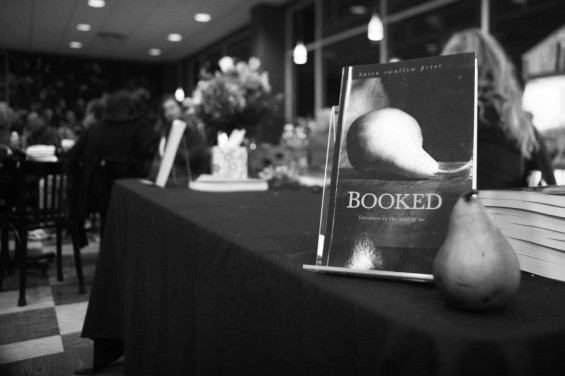
Does your space include a table and chairs? Where will you display your books, bookmarks and postcards? Is there wall space for posters, etc.

4. Advertise
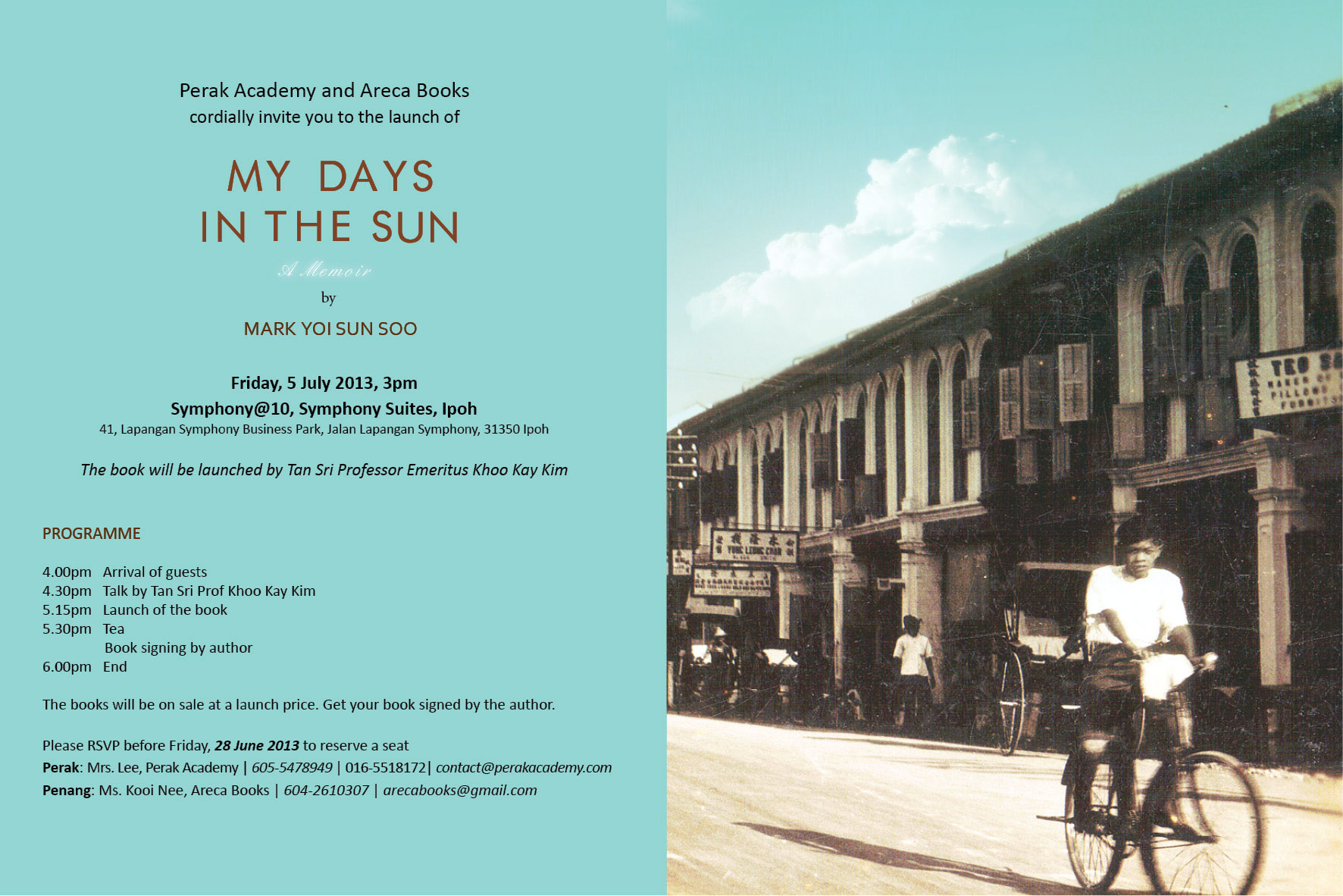
Draft a mailing list and send out invitations. Get your name on e-mail newsletters in bookstores or libraries. Notify people regarding your book launch on Facebook.
5. Entertainment
What kind of atmosphere would you like to create? Will you have a guest speaker? Will you read excerpts from your book? Will you play appropriate background music?
6. Order Lots of Books
Make sure you order your books well ahead of time so that they arrive at least a week before the launch.

7. Media Contact
Invite the local media, ideally a reporter whose specialty relates to your book's subject. Include newspaper, radio and TV in your contacts.

Marsha Skrypuch's book was advertised at http://www.brantfordexpositor.ca/2014/08/20/plaque-unveiling-part-of-launch-for-new-novel.
8. Build the Crowd
Invite family, friends, co-workers, writing group members. Facebook friends, etc. Don't forget any guest of honour ex. when I attended Marsha Skrypuch's launch for Stolen Child, she invited Brant MP Phil McColeman.

9. Take Pictures
Ask a family member or friend to take photographs of the event; for example, shots of you speaking, talking to guests, or signing books.

10. Signing
What will you write beneath your signature? Joel Friedlander usually writes "Good luck in your publishing journey".

11. Prizes
Hold a draw for a free book. Give a prize related to your book's theme.

12. Gather Addresses
Keep in touch with attendees by having a sign up sheet, a bowl for business cards or a laptop with a page to opt into your mailing list.

13. Decorate Your Space
The author of the hiking book could post some blow up mountain scene photographs on the wall. The author of the book about moving to Spain could pin a giant map or flag of the country to the wall. My friend Rose McCormick Brandon had a blow up poster of her book cover on display at her book table. You could also have a stand up banner made of your book cover.

Rose McCormick Brandon and her mother hold the poster for her book launch at courtesy Rose McCormick Brandon.
14. Prepare Food
I remember Marsha Skrypuch served ginger snaps at her book launch for Stolen Child because the protagonist ate them in one particular scene. The author of the Spain themed book could serve a Spanish snack, complete with the recipe.

15. Recruit Volunteers
When I attended Rose McCormick Brandon's book launch for Promises of Home: Stories of Canada's British Home Children, she had asked various people to do jobs. For instance, I read my story "Daisy Blay and the Gold & Pearl Necklace". Rose's daughter took photographs. Her son-in-law operated the power point presentation. Her husband helped set up the books.
For more information, visit http://www.thebookdesigner.com/2013/06/12-tips-for-book-launch-parties/.

Note: It's never too early to plan your book launch. While I am still waiting to hear back from a publisher, I have already planned mine. Here are the details:
BOOK: I'm Just Daisy (Linda Jonasson)
VENUE: Hope Christian Reformed Church (Fellowship Room)
FOOD: butter tarts (one of my chapters is called Butter Tarts in which my protagonist learns to bake them; I will display the original recipe); tea (very British)
DECORATIONS: daisies on the food table (my protagonist's name is Daisy and one scene takes place in a field of daisies)
WALL DECOR: a giant Union Jack (the first half of the story takes place in Great Britain); a blow up photograph of the S.S. Kensington, the ship on which the protagonist immigrated to Canada
BOOK TABLE: bookmarks, postcards, scrap book (made by my Mom with haunting photograph of my great-grandma which inspired me to write the book), giant banner of book cover
GUESTS OF HONOUR: MP Phil McColeman (he drafted the bill declaring 2010 "The Year of the British Home Child" and his uncle was a BHC); Rose McCormick Brandon, whom I've asked to write the Forward to my book; Publisher (TBA)
MY CLOTHING: a blue dress with a Union Jack scarf


